3,420+
Primary School Pupils Reached
44
Malaria Positivity Rate in Dadamu
140
Village Health Team Members Equipped
8,500+
Rapid Diagnostic Tests Deployed
Our work supports public health protection with socioeconomic opportunity, focusing on vulnerable populations across Northern and West Nile Uganda.
Targeted grassroots interventions tackling malaria, acute respiratory infections, maternal health gaps, and vector mitigation in rural sub-counties.
Vocational training in tailoring, joinery, and artisanal trades paired with startup equipment to build economic independence in refugee hosting areas.
Equipping rural primary schools with fever diagnostic screening, classroom disease tracking registers, and pupil-led health ambassadors.
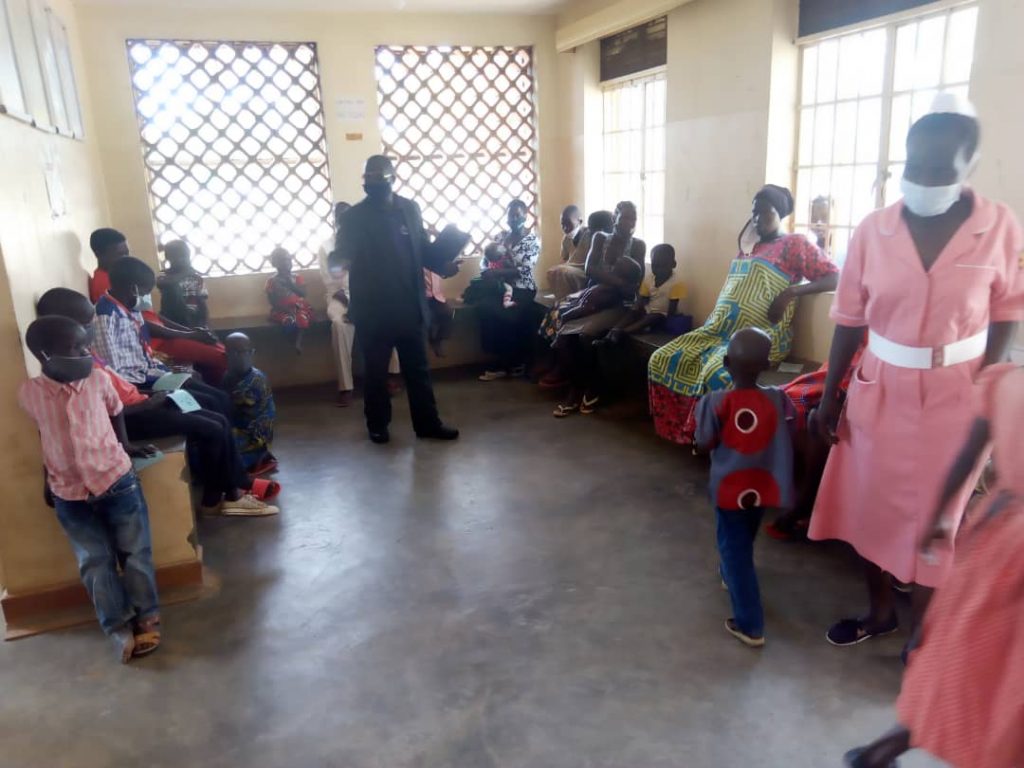
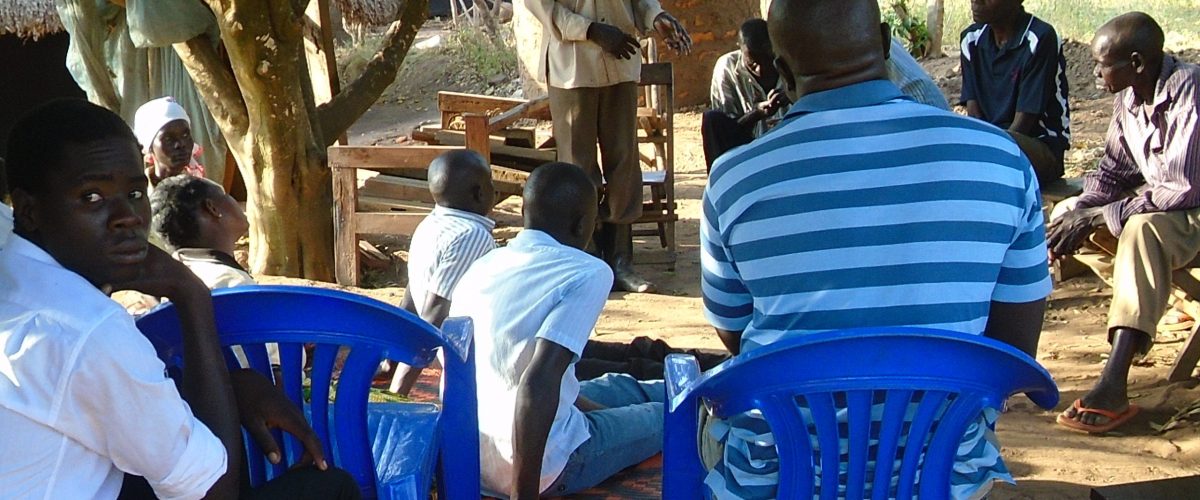
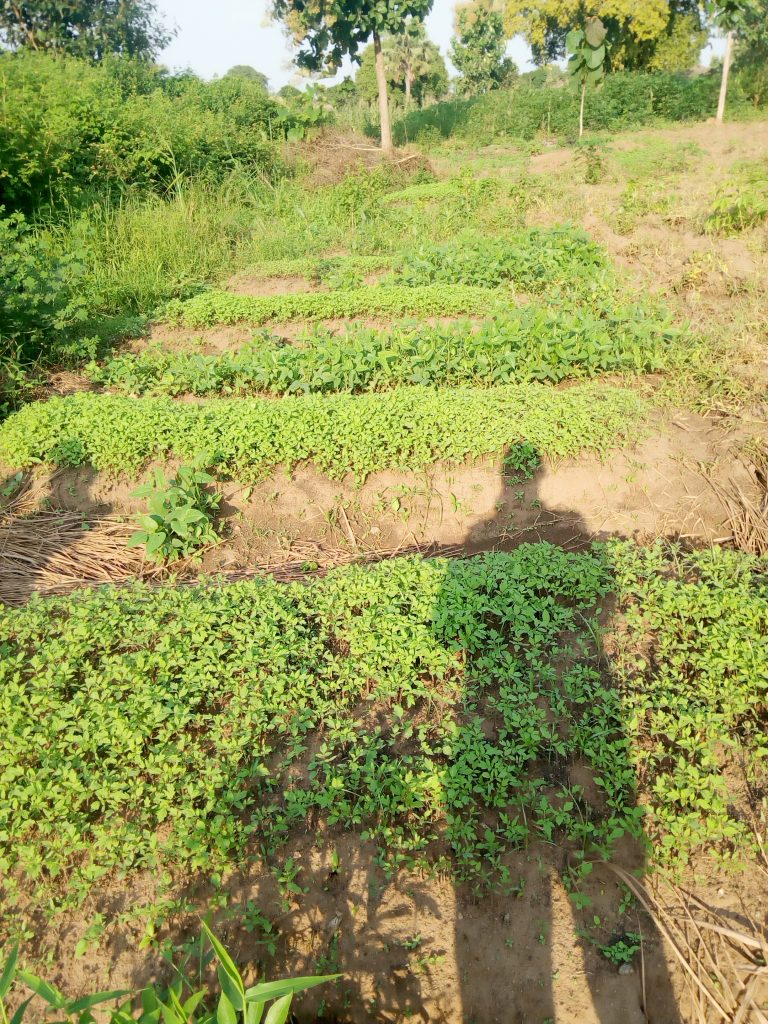
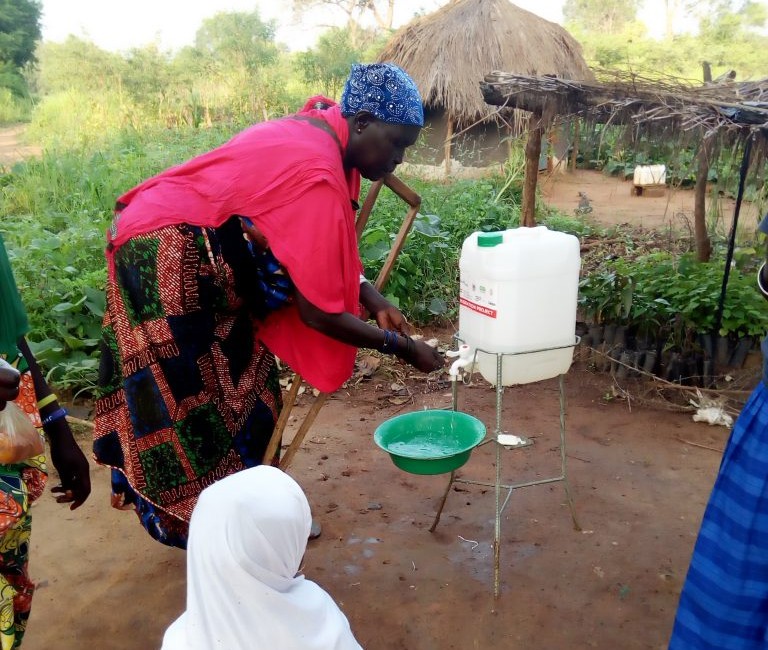
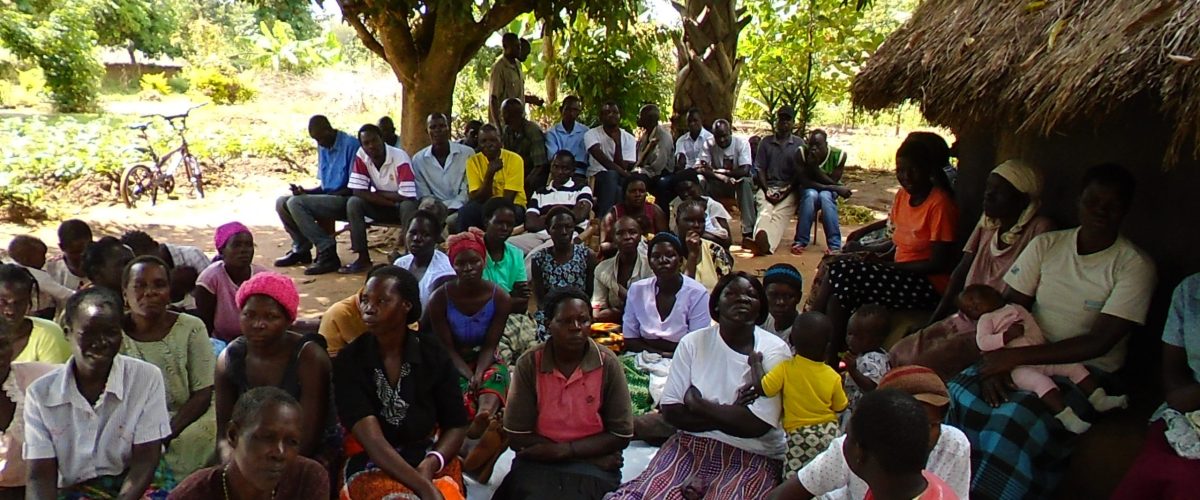
Documented grassroots health interventions and community programs conducted by the IHDI team in West Nile.
Integrated community vector reduction, household sensitization dialogues, and rapid diagnostic screening across 7 rural parishes.
Infrastructure evaluation, diagnostic reagent auditing, and supervisory workflow enhancement for local health workers.
Hands-on vocational skilling and startup toolkit distribution for adolescent refugees and host community youths.
Frontline updates, community health outcomes, and operational dispatches from our teams on the ground in Uganda.
Access to clean water and safely managed sanitation is a fundamental human right, yet billions of people worldwide still live without these essentials. This article explores the critical link between water security, proper hygiene, and socio-economic development, highlighting why investing in sustainable water infrastructure is the ultimate catalyst for global health and poverty reduction.
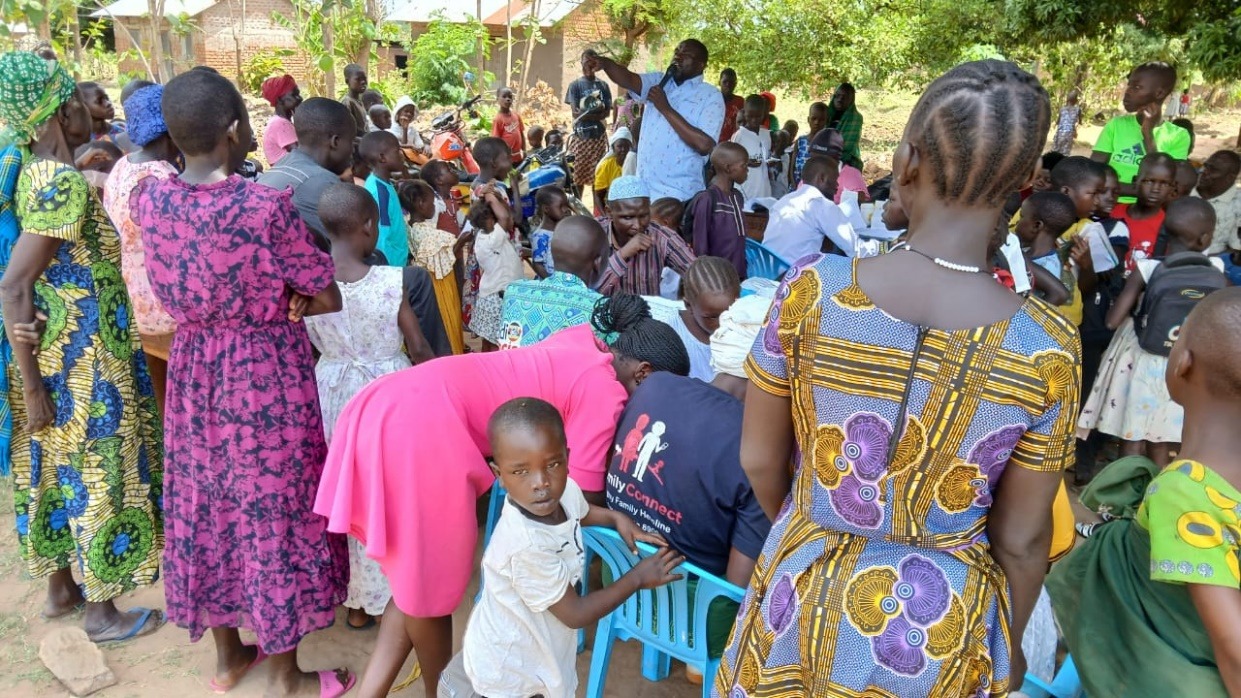
Supported by the Global Fund through TASO and CEHURD, IHDI partnered with Arua City Health Department and Orivu Health Center III to screen 732 community members across 7 outreach sites and 60 homes in Dadamu Sub-County, dispensing free ACT courses to 322 positive cases.
Working in strategic alignment with government health ministries, civil society consortia, and local authorities.
Partner with IHDI on institutional consortia bids, sub-grant implementation in West Nile, or support grassroots disease prevention directly.